+254 720 973 404 | info@swiftstrides.com

iCMS Kenya Customs System | A Complete Guide

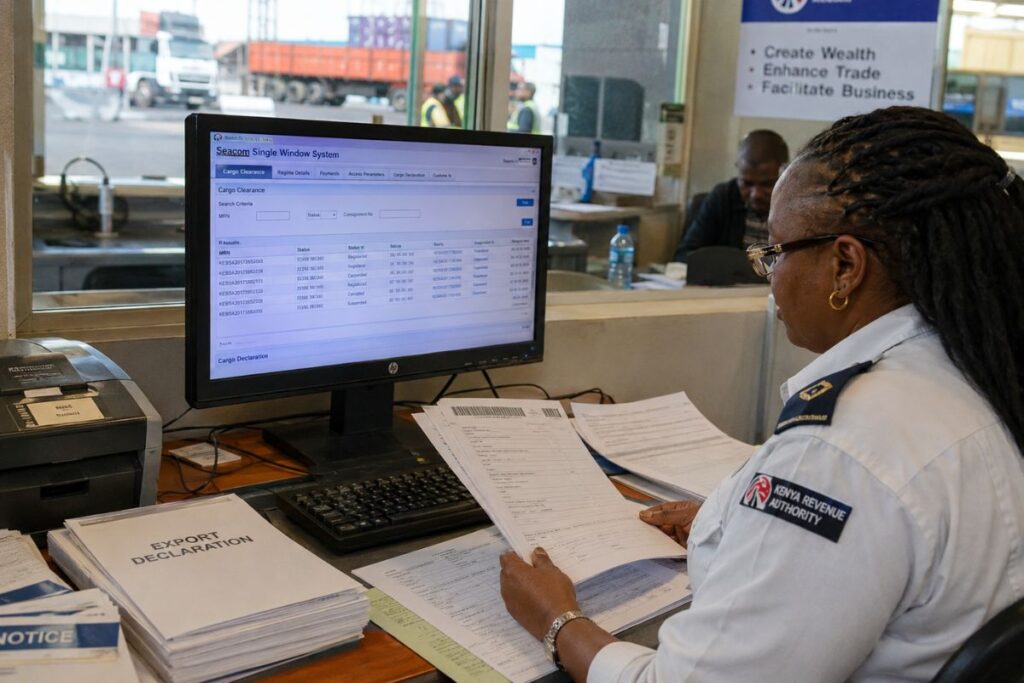
If you’ve cleared cargo through Kenya in the past few years, you’ve likely heard about a shift happening at the Kenya Revenue Authority (KRA). The iCMS Kenya customs system is replacing the long-running Simba platform, and it’s one of the most significant changes to hit Kenyan trade in over a decade. Whether you’re an importer, exporter, or clearing agent, understanding what’s changing — and why — will help you avoid confusion at the port and keep your shipments moving.
This guide breaks down what iCMS actually is, how it differs from what came before, and what it means for your day-to-day clearance process.
What Is Kenya’s iCMS Customs System?
iCMS stands for Integrated Customs Management System, and it’s KRA’s next-generation replacement for Simba 2005/2014, the platform Kenyan importers and clearing agents have relied on for years. Rather than patching an aging system, KRA built iCMS as a single, modern platform that consolidates the various sub-systems built around the old clearance process into one unified structure.
Why KRA Replaced Simba With iCMS
Simba served Kenya well for its time, but as trade volumes grew and international best practices evolved, its limitations became harder to ignore — manual bottlenecks, redundant processes, and limited interoperability with other systems. The iCMS Kenya customs system was built specifically to close those gaps, aligning Kenya’s customs operations with World Trade Organization (WTO) requirements for simplified, harmonized trade procedures.
How iCMS Connects With ASYCUDA for Regional Trade
Here’s the part that matters most if you’re moving cargo beyond Kenya’s borders: iCMS is now able to exchange customs declaration data directly with ASYCUDA, the customs system used across much of the East African Community. This is a big deal for Swiftstrides‘ regional clients specifically, because it benefits every country that relies on the Port of Mombasa for transit trade — including Rwanda, Uganda, South Sudan, and Burundi.
What This Means for Transit Cargo to Uganda, Rwanda, and South Sudan
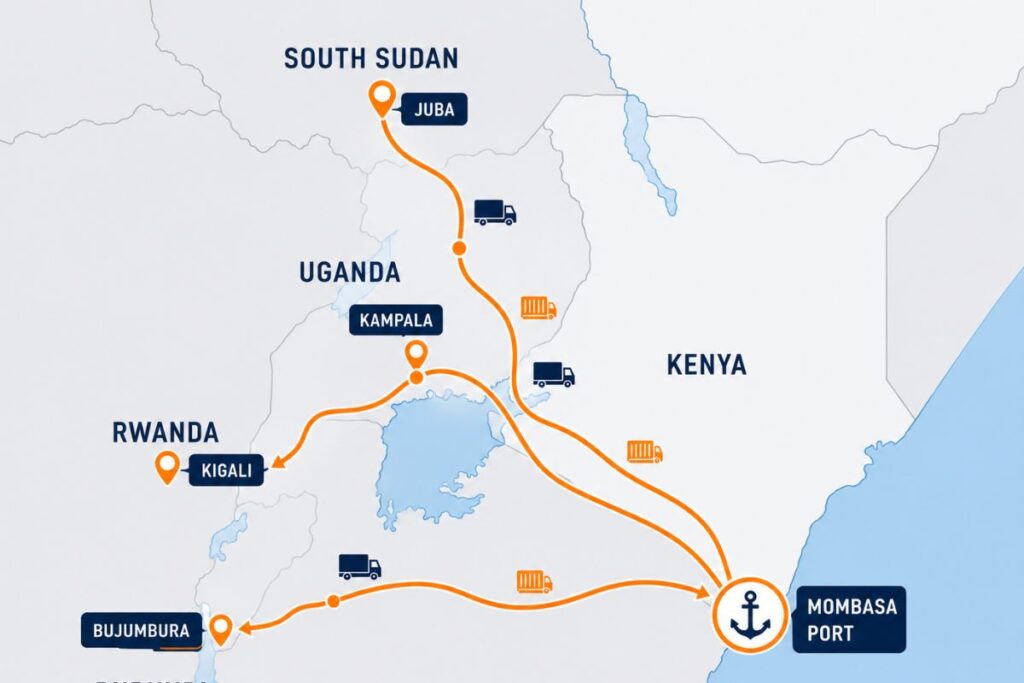
Before this integration, tracking transit cargo across borders relied heavily on manual coordination between systems that didn’t talk to each other, which created real risk — goods could be diverted into the local market, or containers could effectively disappear from view once they left the port. With iCMS and ASYCUDA exchanging data, that visibility gap closes considerably, making it much harder for transit cargo to go missing en route to its final destination.
How the iCMS Kenya Customs System Changes the Clearance Process
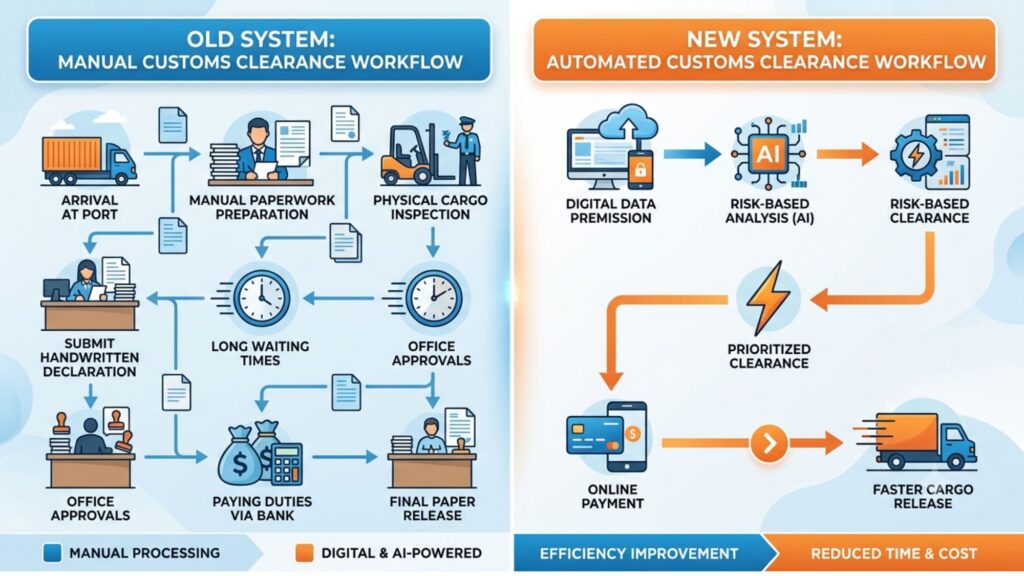
Step-by-Step: Clearing Cargo Under iCMS
- Declaration submission — importers or their agents submit customs declarations through the new iCMS interface rather than the legacy Simba portal.
- Automated cross-checks — iCMS is designed to reduce manual and semi-manual verification steps, catching inconsistencies earlier in the process.
- Duty assessment and payment — duty is calculated and paid much as before, but with fewer redundant steps in between.
- Release and cargo tracking — improved system integration means better visibility into where cargo is at any given stage, particularly for transit shipments.
What Importers and Traders Should Do Now
Given that the iCMS Kenya customs system is still in active rollout, the most practical step you can take is working with a clearing agent who is already up to speed on the new platform’s requirements — rather than trying to navigate the transition alone. An experienced forwarder will know exactly which documentation formats iCMS expects, how to avoid the early friction points other traders are hitting, and how to keep your transit cargo visible across the Mombasa corridor.
The shift to the iCMS Kenya customs system represents one of the biggest modernization efforts in Kenyan trade in years — and while any transition brings short-term adjustment, the long-term upside is faster clearance, better cross-border visibility, and a system built to keep pace with the region’s growing trade volumes. Staying informed now means fewer surprises at the port later.