+254 720 973 404 | info@swiftstrides.com
Choose a Trusted Freight Forwarder in Kenya Easily

As import volumes through the Port of Mombasa continue to climb, logistics operators are cautioning businesses to apply far more scrutiny when selecting a freight forwarder in Kenya, warning that the wrong partner can quietly cost importers weeks in delays and hundreds of thousands of shillings in avoidable charges.
The warning comes as more first-time importers, from small traders to manufacturers scaling up sourcing from Asia and the Middle East, enter the Kenyan market without a clear framework for evaluating who they hand their cargo to.
Most importers only discover they picked the wrong partner after something has already gone wrong, like a missed document, a container sitting in demurrage, or cargo that goes quiet in transit. By then, the damage is already done, which is why the evaluation needs to happen before the first shipment, not after the first problem.
Licensing and Track Record Under Increased Scrutiny
Industry figures point first to licensing and a verifiable track record as the starting point for anyone selecting a freight forwarder in Kenya. A forwarder operating without proper Kenya Revenue Authority accreditation, or one unable to point to a documented shipment history, represents a far higher risk than the upfront quote might suggest.
What to Ask Before Signing On
According to logistics professionals, the questions that matter most rarely appear in a forwarder’s marketing material. They include how long the company has operated in Kenya, how many shipments it handles annually, and whether it can provide references from businesses in a similar industry. A forwarder confident in their service should be able to hand over two or three references without hesitation, and it’s worth actually calling them.
Verifying Port and Customs Relationships
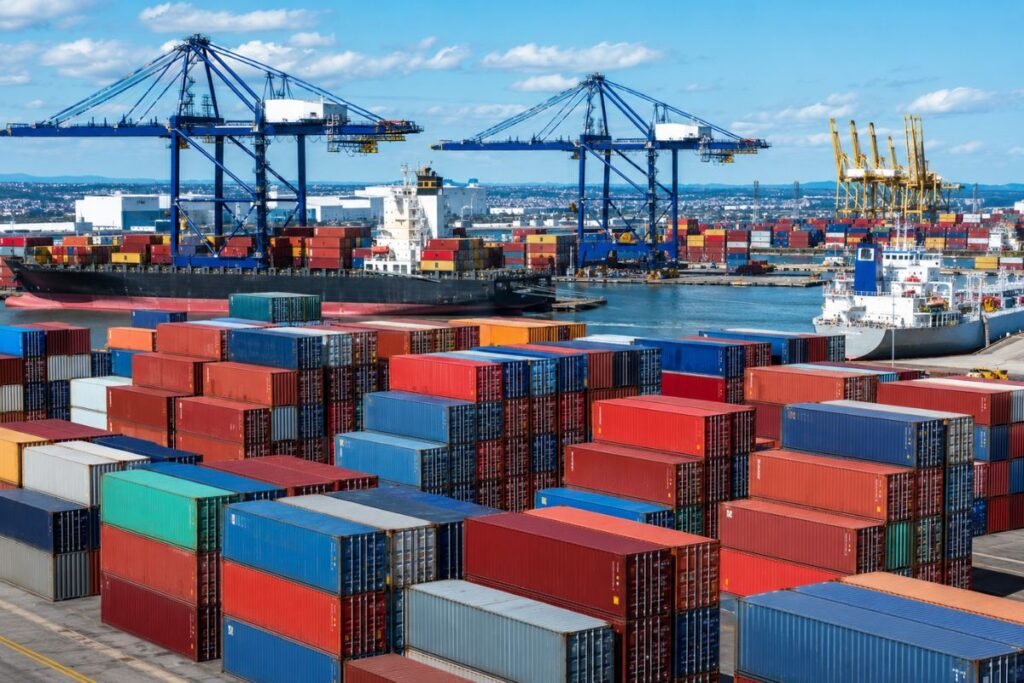
A forwarder’s working relationships at the Port of Mombasa and with customs officials can be the difference between a shipment that clears in days and one that stalls for weeks. Established operators tend to have long-standing relationships with port authorities and a working familiarity with current systems, a relevant point given the Kenya Revenue Authority’s ongoing rollout of its new iCMS customs platform, which is reshaping clearance procedures across the board.
Network Reach Becomes a Deciding Factor for Regional Trade
For businesses moving cargo beyond Kenya’s borders, network reach has emerged as a second major consideration. A freight forwarder in Kenya with established transport links into Uganda, Rwanda, South Sudan, and the DRC offers considerably more value than one limited to domestic clearance alone, particularly for traders relying on the Northern Corridor for regional distribution.
Communication Practices Cited as a Common Pain Point
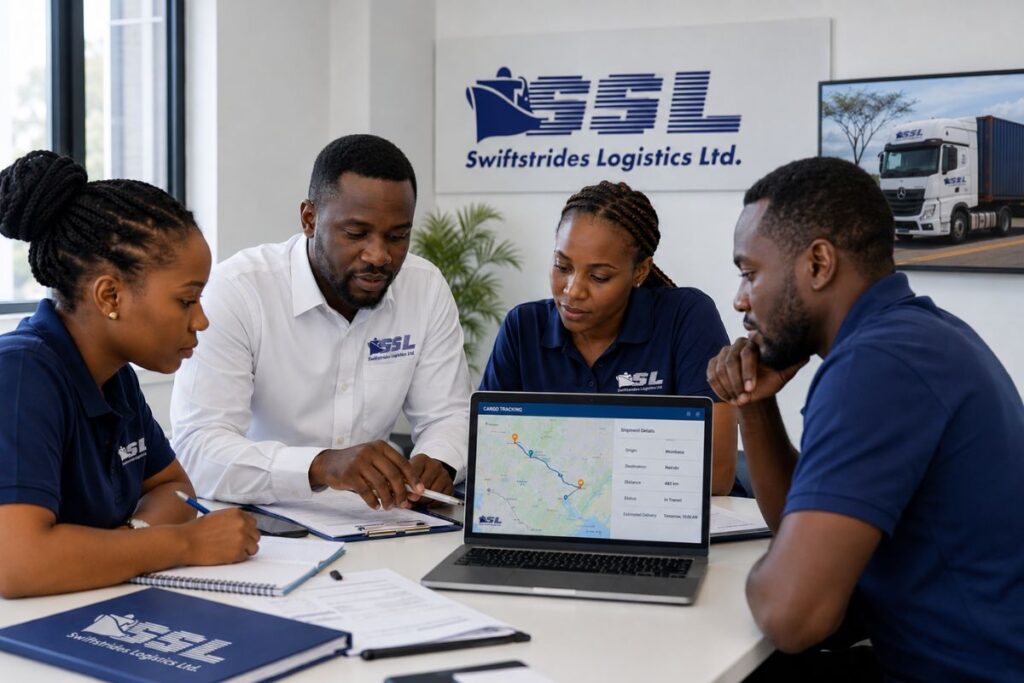
Perhaps the most frequently cited complaint among importers is communication — specifically, forwarders who go silent once cargo is in transit. Real-time shipment visibility, whether through GPS-tracked fleets or regular status updates, is repeatedly flagged as a baseline expectation rather than a premium feature. Needing to call three times just to find out where a container is isn’t a sign of a reliable partner; it’s a red flag.
Cost Transparency: Reading Beyond the Headline Quote
Importers are also urged to look past the initial quoted price when evaluating a freight forwarder in Kenya, since hidden charges—port handling fees, documentation fees, or unexpected demurrage exposure—often surface only after a shipment is already underway.
The Bottom Line for Importers
Selecting the right freight forwarder in Kenya is ultimately a due-diligence exercise, not a price comparison. Verifying licensing, testing communication responsiveness before committing, and confirming regional network reach are the checks that separate a smooth import experience from a costly one.